
100 Notable alumni of Friedrich Schiller University of Jena
Updated: June 22, 2026 EliteDegrees
Friedrich Schiller University of Jena is ranked #326 in the world and #27 in Germany by aggregated alumni prominence. Below is the list of 100 notable alumni from Friedrich Schiller University of Jena sorted by their wiki pages popularity. The directory includes famous graduates and former students along with research and academic staff. Many individuals affiliated with Friedrich Schiller University of Jena won Nobel Prizes for Peace, in Physics, Chemistry, Physiology or Medicine, and Economics.
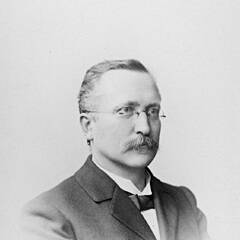
1. Wilhelm Roux
1850-1924 (aged 74)
biologist
university teacher
anatomist
zoologist
Wilhelm Roux was a German zoologist and pioneer of experimental embryology.
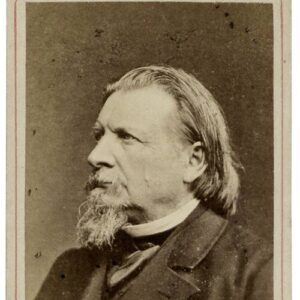
2. Karl Gutzkow
1811-1878 (aged 67)
literary critic
novelist
writer
journalist
playwright
Karl Ferdinand Gutzkow was a German writer and dramatist who promoted political and social reformism. He studied philosophy and theology with Georg Wilhelm Friedrich Hegel and Friedrich Schleiermacher, and his early works, like the novel Maha-Guru, Geschichte eines Gottes (1833), were satirical. His 1835 novel Wally, die Zweiflerin led to his imprisonment and suppression, marking the start of the Young...
+ show more
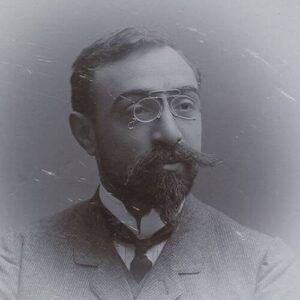
3. Levon Shant
1869-1951 (aged 82)
public figure
teacher
writer
Levon Shant was an Armenian playwright, novelist, poet and founder of the Hamazkayin Armenian Educational and Cultural Society.
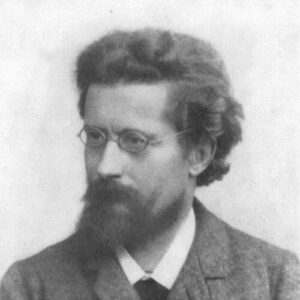
4. Jost Winteler
1846-1929 (aged 83)
linguist
Jost Winteler was a Swiss professor of Greek and history at the Kantonsschule Aarau (today called the Old Cantonal School Aarau), a linguist, a "noted" philologist, an ornithologist, a journalist, and a published poet. He served as both a mentor and father figure to a teenage Albert Einstein, who boarded at his home from October 1895 to October 1896, while...
+ show more
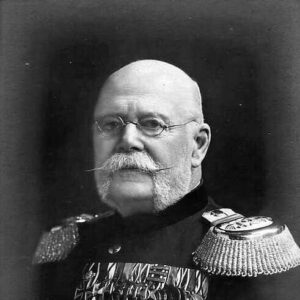
5. Ernest I, Duke of Saxe-Altenburg
1826-1908 (aged 82)
aristocrat
Ernst I, Duke of Saxe-Altenburg, was a duke of Saxe-Altenburg. He was the first son of Georg, Duke of Saxe-Altenburg and Marie Luise of Mecklenburg-Schwerin. In 1853, he succeeded his father as Duke of Saxe-Altenburg. He was of a retiring disposition and he took little active part in running the country. After a reign that lasted 55 years, he died...
+ show more
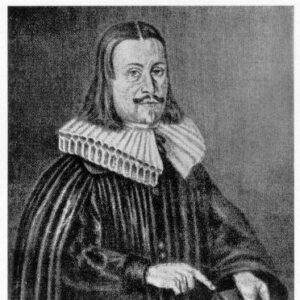
6. Andreas Libavius
1555-1616 (aged 61)
university teacher
chemist
physician
Andreas Libavius was a German writer.
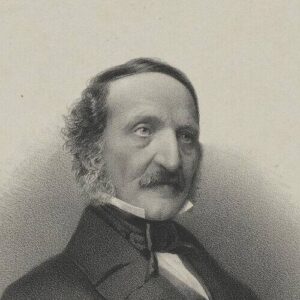
7. Franz Ernst Neumann
1798-1895 (aged 97)
military volunteer
university teacher
crystallographer
mathematician
mineralogist
Franz Ernst Neumann was a German mineralogist and physicist. He devised the first formulas to calculate inductance. He also formulated Neumann's law for molecular heat. In electromagnetism, he is credited for introducing the magnetic vector potential.
+ show more
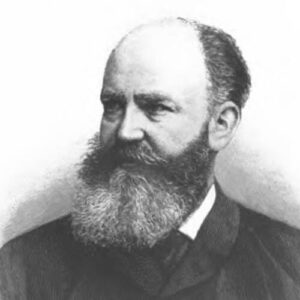
8. Georg Ebers
1837-1898 (aged 61)
writer
orientalist
university teacher
egyptologist
Georg Moritz Ebers was a German Egyptologist and novelist. He is best known for his purchase of the Ebers Papyrus, one of the oldest Egyptian medical documents in the world.
+ show more
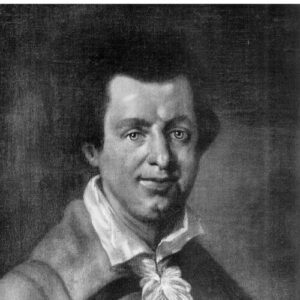
9. Johann Karl August Musäus
1735-1787 (aged 52)
literary critic
collector of fairy tales
writer
children's writer
poet
Johann Karl August Musäus was a German author. He was one of the first collectors of German folk stories, most celebrated for his Volksmärchen der Deutschen (1782–1787), a collection of German fairy tales retold as satires.
+ show more
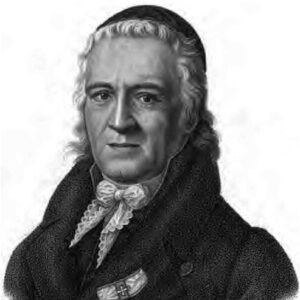
10. Karl Leonhard Reinhold
1757-1823 (aged 66)
university teacher
philosopher
Karl Leonhard Reinhold was an Austrian philosopher who helped to popularise the work of Immanuel Kant in the late 18th century. His "elementary philosophy" (Elementarphilosophie) also influenced German idealism, notably Johann Gottlieb Fichte, as a critical system grounded in a fundamental first principle.
+ show more
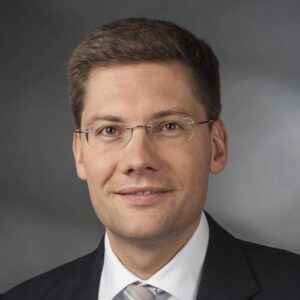
11. Christian Hirte
1976-. (aged 50)
lawyer
politician
Christian Hirte is a German lawyer and politician of the Christian Democratic Union (CDU) who has been serving as member of the German Bundestag since 2008. From 2020 to 2022, he has been the chairman of the CDU in Thuringia and co-deputy Chairman since then.
+ show more
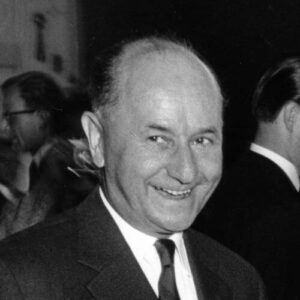
12. Hanns Seidel
1901-1961 (aged 60)
lawyer
politician
Franz Wendelin "Hanns" Seidel was a German politician who served as Minister-President of Bavaria from 1957 to 1960. He was a member, and from 1955 to 1961 chairman, of the Christian Social Union of Bavaria (CSU).
+ show more
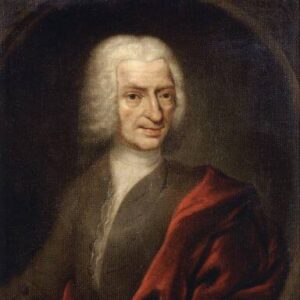
13. Hermann Samuel Reimarus
1694-1768 (aged 74)
writer
philosopher
university teacher
theologian
Hermann Samuel Reimarus, was a German philosopher and writer of the Enlightenment who is remembered for his Deism, the doctrine that human reason can arrive at a knowledge of God and ethics from a study of nature and our own internal reality, thus eliminating the need for religions based on revelation. He denied the supernatural origin of Christianity, and was...
+ show more
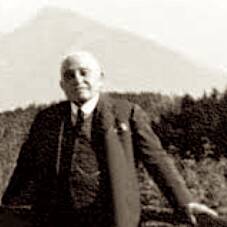
14. Grigore Antipa
1867-1944 (aged 77)
biologist
scientific collector
ichthyologist
zoologist
Grigore Antipa was a Romanian naturalist, zoologist, ichthyologist, ecologist, oceanologist, Darwinist biologist who studied the fauna of the Danube Delta and the Black Sea. Between 1892 and 1944 he was the director of the Bucharest Natural History Museum, which now bears his name. He is also considered to be the first person to modernize the diorama by emphasizing the three-dimensional...
+ show more
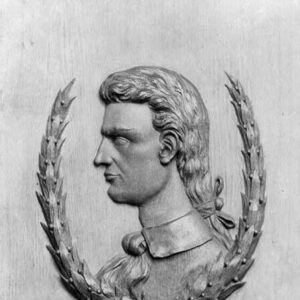
15. Francis Daniel Pastorius
1651-. (aged 375)
writer
poet lawyer
abolitionist
politician
Francis Daniel Pastorius was a German-born educator, lawyer, poet, and public official. He was the founder of Germantown, Pennsylvania, now part of Philadelphia, the first permanent German-American settlement and the gateway for subsequent emigrants from Germany.
+ show more
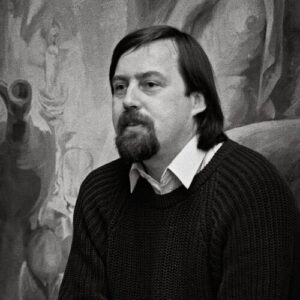
16. Jürgen Fuchs
1950-1999 (aged 49)
writer
playwright
poet
psychologist
Jürgen Fuchs was an East German writer and dissident.
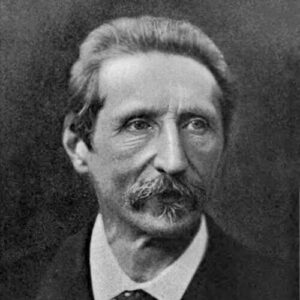
17. Eduard Strasburger
1844-1912 (aged 68)
university teacher
plant cell biologist
botanist
Eduard Adolf Strasburger was a Polish-German professor and one of the most famous botanists of the 19th century. He discovered mitosis in plants.
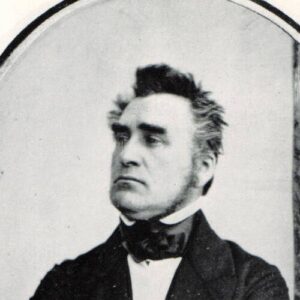
18. Heinrich von Gagern
1799-1880 (aged 81)
military personnel
politician
Heinrich Wilhelm August Freiherr von Gagern was a statesman who argued for the unification of Germany.
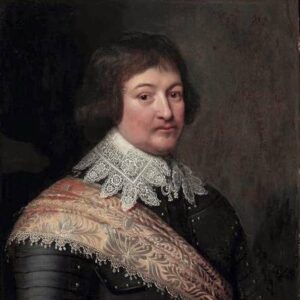
19. Bernard of Saxe-Weimar
1604-1639 (aged 35)
military officer
Bernard of Saxe-Weimar was a duke of Saxe-Weimar and a politically active Protestant general during the Thirty Years' War (1618–48). Known as one of the most capable field commanders of the conflict, he secured several notable victories against the forces of the Austrian Habsburgs, which strengthened both his reputation and the strategic position of the Protestant armies.
+ show more
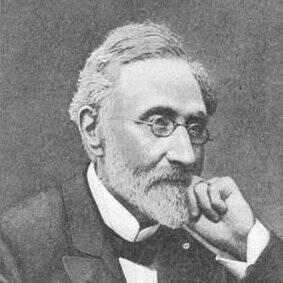
20. Heinrich Graetz
1817-1891 (aged 74)
university teacher
theologian
historian
philologist
rabbi
Heinrich Graetz was a German exegete and one of the first modern historians to write a comprehensive history of the Jewish people from a Jewish perspective.
+ show more
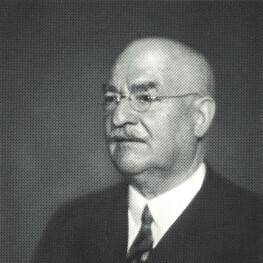
21. Carl Duisberg
1861-1935 (aged 74)
industrialist
chemist
engineer
Friedrich Carl Duisberg was a German chemist, industrialist and co-founder of I.G. Farben.
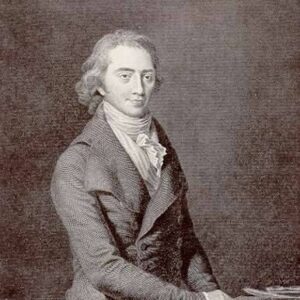
22. Christoph Wilhelm Hufeland
1762-1836 (aged 74)
university teacher
physician
chief physician
Christoph Wilhelm Friedrich Hufeland was a German physician, naturopath and writer. Considered one of the most eminent practical physicians of his time in Germany, he authored numerous works displaying extensive reading and a cultivated critical faculty.
+ show more
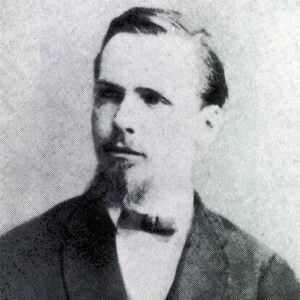
23. Paul Langerhans
1847-1888 (aged 41)
biologist
pathologist
physiologist
Paul Langerhans was a German pathologist, physiologist and biologist, credited with the discovery of the cells that secrete insulin, named after him as the islets of Langerhans.
+ show more
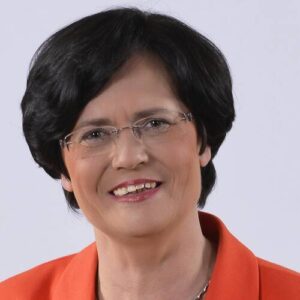
24. Christine Lieberknecht
1958-. (aged 68)
politician
pastor
Christine Lieberknecht is a German politician of the Christian Democratic Union (CDU). From 2009 to 2014, she served as the Minister President of Thuringia. Lieberknecht was the first woman to become head of government in Thuringia and only the second woman to govern a German state.
+ show more
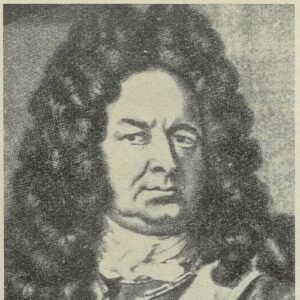
25. Hans Carl von Carlowitz
1645-1714 (aged 69)
forester
economist
naturalist
official
essayist
Hans Carl von Carlowitz or Hannß Carl von Carlowitz, was a Saxon tax accountant and mining administrator. His book Sylvicultura oeconomica, oder haußwirthliche Nachricht und Naturmäßige Anweisung zur wilden Baum-Zucht (1713) was the first comprehensive treatise about forestry. He approached forestry from the fears of a shortage of wood needed for the mining industry. He coined the term Nachhaltigkeit, now...
+ show more
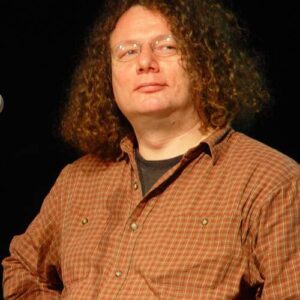
26. Ingo Schulze
1962-. (aged 64)
dramaturge
novelist
writer
journalist
playwright
Ingo Schulze is a German writer born in Dresden in former East Germany. He studied classical philology at the University of Jena for five years, and, until German reunification, was an assistant director (dramatic arts advisor) at the State Theatre in Altenburg 45 km south of Leipzig for two years. After sleeping through the events of the night of 9...
+ show more
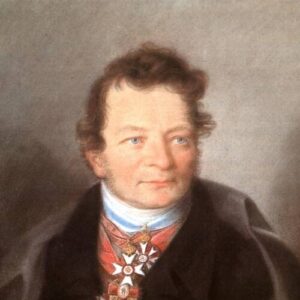
27. Paul Johann Anselm Ritter von Feuerbach
1775-1833 (aged 58)
jurist
writer
university teacher
philosopher
judge
Paul Johann Anselm Ritter von Feuerbach was a German legal scholar. His major achievement was a reform of the Bavarian penal code which led to the abolition of torture and became a model for several other countries. He is also well known for his research on Kaspar Hauser, who died the same year as Feuerbach.
+ show more
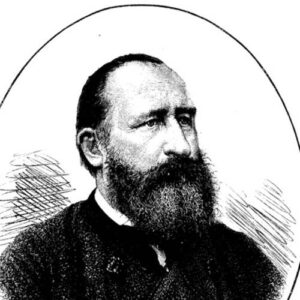
28. Alfred Brehm
1829-1884 (aged 55)
biologist
naturalist
painter
zoologist
scientific collector
Alfred Edmund Brehm was a German zoologist and writer. His multi-volume book Brehms Tierleben, which he co-authored with Eduard Pechuël-Loesche, Wilhelm Haacke, and Richard Schmidtlein, became a household word for popular zoological literature. He was the first director of the Zoological Garden of Hamburg.
+ show more
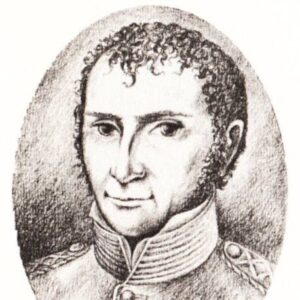
29. Johann Wilhelm Ritter
1776-1810 (aged 34)
university teacher
chemist
physicist
Johann Wilhelm Ritter was a German chemist, physicist and philosopher. He is associated with the German Romanticism. He is also known for discovering the ultraviolet part of the electromagnetic spectrum. He is also credited for the first achieved sustained electrolysis of water and the discovery of electroplating.
+ show more
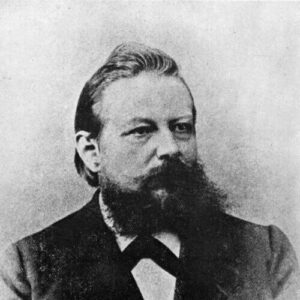
30. Wilhelm Windelband
1848-1915 (aged 67)
historian
philosopher
university teacher
Wilhelm Windelband was a German philosopher of the Baden School.
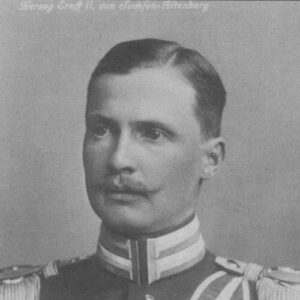
31. Ernst II, Duke of Saxe-Altenburg
1871-1955 (aged 84)
military personnel
Ernst II was the last reigning duke of Saxe-Altenburg and a German general active during World War I.
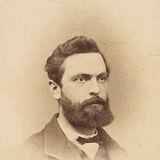
32. Heinrich Friedrich Weber
1843-1912 (aged 69)
physicist
university teacher
Heinrich Friedrich Weber was a physicist born in the town of Magdala, near Weimar.

33. Herbert Kroemer
1928-2024 (aged 96)
physicist
university teacher
Herbert Kroemer was a German–American solid-state physicist who, along with Zhores Alferov, received the 2000 Nobel Prize in Physics "for developing semiconductor heterostructures used in high-speed- and opto-electronics." He was Professor of Electrical Engineering at the University of California, Santa Barbara. His research into transistors was a stepping stone to the later development of mobile phone technologies.
+ show more
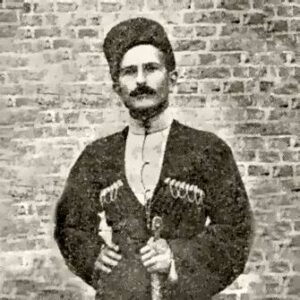
34. Alexander Svanidze
1886-1941 (aged 55)
politician
writer
historian
translator
official
Alexander Semyonovich "Alyosha" Svanidze was a Georgian Old Bolshevik, politician and historian. He was a personal friend of Joseph Stalin and a brother of Stalin's first wife Kato. Nevertheless, he was arrested during the Great Purge in 1937 and he was shot in prison in 1941.
+ show more
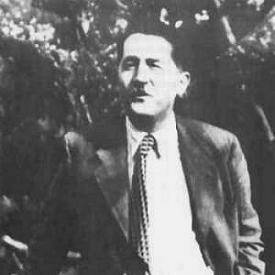
35. Karl Korsch
1886-1961 (aged 75)
essayist
university teacher
politician
philosopher
jurist
Karl Korsch was a German Marxist theoretician and political philosopher. He is recognized as one of the "dissidents" that challenged the Marxism of the Second International of Karl Kautsky, Georgi Plekhanov and Lenin. Along with György Lukács, Korsch is considered to be one of the major figures responsible for laying the groundwork for Western Marxism in the 1920s.
+ show more
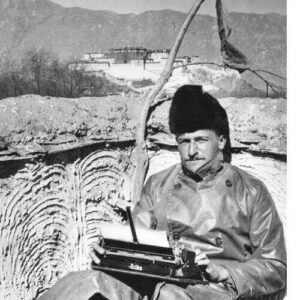
36. Bruno Beger
1911-2009 (aged 98)
racial theorist
explorer
anthropologist
Bruno Beger was a German racial anthropologist, ethnologist, and explorer who worked for the Ahnenerbe. In that role he participated in Ernst Schäfer's 1938–1939 expedition to Tibet, helped the SS Race and Settlement Main Office (Rasse- und Siedlungshauptamt der SS, RuSHA) identify Jews, and later helped select human subjects to be killed to create an anatomical study collection of Jewish...
+ show more
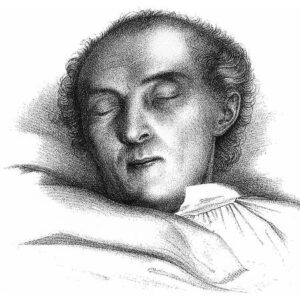
37. Karl Christian Friedrich Krause
1781-1832 (aged 51)
university teacher
philosopher
writer
Karl Christian Friedrich Krause was a German philosopher whose doctrines became known as Krausism. Krausism, when considered in its totality as a complete, stand-alone philosophical system, had only a small following in Germany, France, and Belgium, in contradistinction to certain other philosophical systems (such as Hegelianism) that had a much larger following in Europe at that time. However, Krausism became...
+ show more
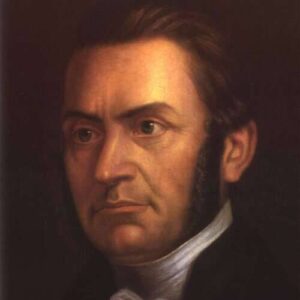
38. Pavel Jozef Šafárik
1795-1861 (aged 66)
university teacher
journalist
ethnographer
linguist
pedagogue
Pavel Jozef Šafárik was a Slovak philologist, poet, literary historian, historian and ethnographer. He was one of the first scientific Slavists.
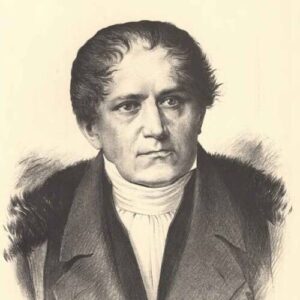
39. Ján Kollár
1793-1852 (aged 59)
linguist
poet
folklorist
slavist
philosopher
Ján Kollár was a Slovak writer (mainly poet), archaeologist, scientist, Lutheran pastor, politician, and main ideologist of Pan-Slavism.
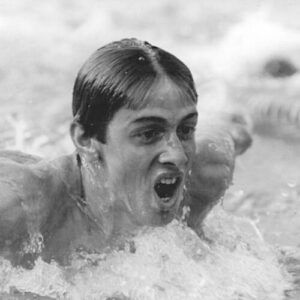
40. Roland Matthes
1950-2019 (aged 69)
swimmer
surgeon
Roland Matthes was a German swimmer and the most successful backstroke swimmer of all time. Between April 1967 and August 1974 he won all backstroke competitions he entered. He won four European championships and three world championships in a row, and swam 19 world and 28 European records in various backstroke, butterfly and medley events. He was trained by Marlies...
+ show more
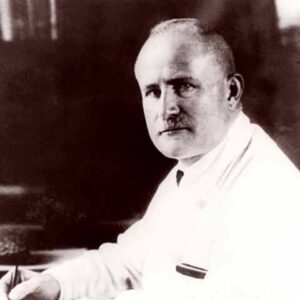
41. Hans Berger
1873-1941 (aged 68)
scientist
university teacher
psychiatrist
neurologist
inventor
Hans Berger was a German psychiatrist. He is best known as the inventor of electroencephalography (EEG) in 1924, which is a method used for recording the electrical activity of the brain, commonly described in terms of brainwaves, and as the discoverer of the alpha wave rhythm which is a type of brainwave. Alpha waves have been eponymously referred to as...
+ show more
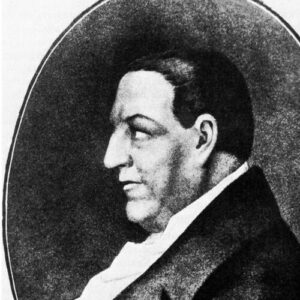
42. Friedrich Joseph Haass
1780-1853 (aged 73)
physician
Dr. Friedrich Joseph Haass was the "holy doctor of Moscow". Born in Bad Münstereifel, as a member of Moscow's governmental prison committee, he spent 25 years until the end of his life to humanize the penal system. During the last nine years before his death, he spent all of his assets to run a hospital for homeless people. He died...
+ show more
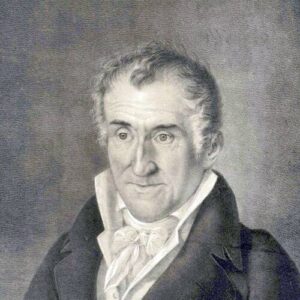
43. August von Kotzebue
1761-1819 (aged 58)
autobiographer
poet
lawyer
writer
playwright
August Friedrich Ferdinand von Kotzebue was a German playwright, who had also worked as a Russian diplomat.
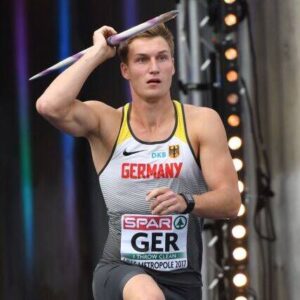
44. Thomas Röhler
1991-. (aged 35)
athletics competitor
javelin thrower
Thomas Röhler is a German track and field athlete who competes in the javelin throw. He is the 2016 Olympic Champion and 2018 European Champion. His personal best of 93.90 m for the event ranks him third on the overall list.
+ show more
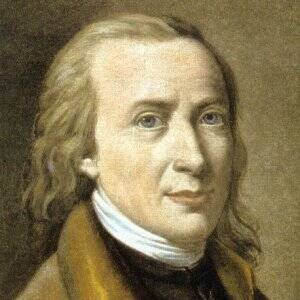
45. Matthias Claudius
1740-1815 (aged 75)
writer
poet
journalist
poet lawyer
Matthias Claudius was a German poet and journalist, otherwise known by the pen name of "Asmus".
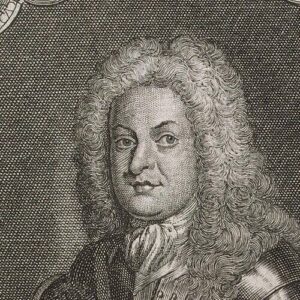
46. Andrey Osterman
1686-1747 (aged 61)
diplomat
politician
Count Andrey Ivanovich Ostermann was a German-born Russian statesman who came to prominence under Tsar Peter I of Russia (r. 1682–1725) and served until the accession of the Tsesarevna Elizabeth in 1741. He based his foreign policy on the Austrian alliance. General Admiral (1740; dismissed 1741).
+ show more
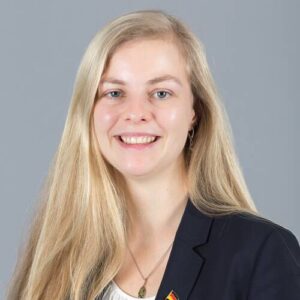
47. Wiebke Muhsal
1986-. (aged 40)
politician
Wiebke Muhsal is a German politician with the Alternative für Deutschland (AfD). Since 2014, she is a member of the Landtag of Thuringia and deputy chairman of the AfD caucus. She is also her party's critic on family and education policy and is a member of the Parliamentary Committee on Education, Youth and Sports.
+ show more
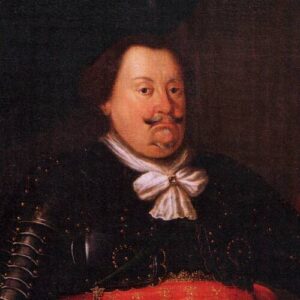
48. George, Duke of Brunswick-Lüneburg
1582-1641 (aged 59)
military personnel
George, Duke of Brunswick-Lüneburg, ruled as Prince of Calenberg from 1635. He was a member of the House of Welf, a prominent German noble family. George was part of a cadet branch of the family known as the Dukes of Brunswick-Lüneburg, which held territories in what is now Lower Saxony in Germany.
+ show more
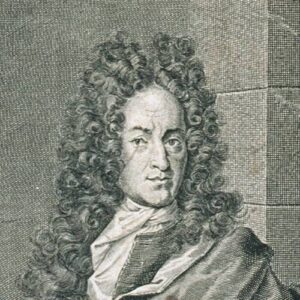
49. Georg Ernst Stahl
1659-1734 (aged 75)
university teacher
surgeon
philosopher
chemist
physician
Georg Ernst Stahl was a German chemist, physician and philosopher. He was a supporter of vitalism, and until the late 18th century his works on phlogiston were accepted as an explanation for chemical processes.
+ show more
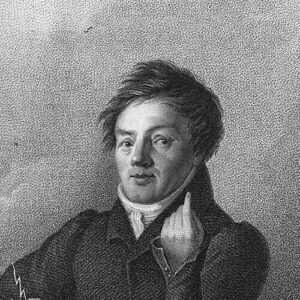
50. Johann Wolfgang Döbereiner
1780-1849 (aged 69)
university teacher
chemist
pharmacist
Johann Wolfgang Döbereiner was a German chemist who is known best for work that was suggestive of the periodic law for the chemical elements, and for inventing the first lighter, which was known as the Döbereiner's lamp. He became a professor of chemistry and pharmacy for the University of Jena.
+ show more
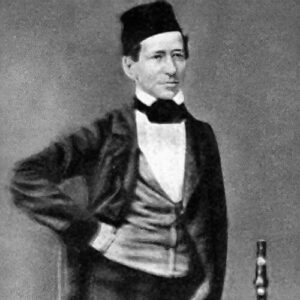
51. Carl Zeiss
1816-1888 (aged 72)
engineer
physicist
entrepreneur
photographer
Carl Zeiss was a German scientific instrument maker, optician and businessman. In 1846 he founded his workshop, which is still in business as Zeiss. Zeiss gathered a group of gifted practical and theoretical opticians and glass makers to reshape most aspects of optical instrument production. His collaboration with Ernst Abbe revolutionized optical theory and practical design of microscopes. Their quest...
+ show more
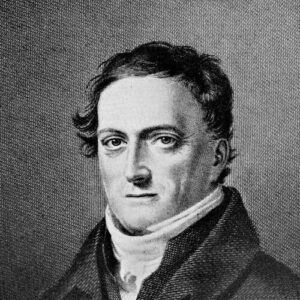
52. Johann Friedrich Herbart
1776-1841 (aged 65)
university teacher
teacher
philosopher
pedagogue
psychologist
Johann Friedrich Herbart was a German philosopher, psychologist and founder of pedagogy as an academic discipline.
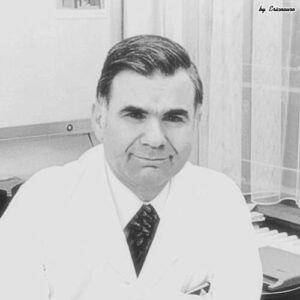
53. Gazi Yaşargil
1925-2025 (aged 100)
scientist
university teacher
surgeon
neurosurgeon
physician
Mahmut Gazi Yaşargil was a Turkish-Swiss medical scientist and neurosurgeon. He collaborated with Raymond M. P. Donaghy M.D at the University of Vermont in developing microneurosurgery. Yaşargil treated epilepsy and brain tumours with instruments of his own design. From 1953 until his retirement in 1993, he was first resident, chief resident and then professor and chairman of the Department of...
+ show more

54. Jack Barsky
1949-. (aged 77)
writer
sleeper agent
Jack Philip Barsky is an author, former CIO at a Fortune 500 energy firm and former operative of the KGB who spied on the United States from 1978 to 1988. Exposed after the Cold War had ended, Barsky became a resource for U.S. counterintelligence agencies, and held executive technology roles at major U.S. corporations. He was not charged with any...
+ show more
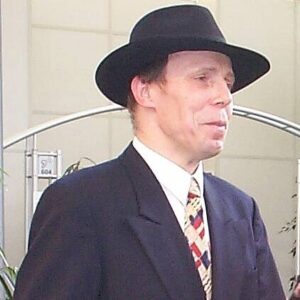
55. Gunther von Hagens
1945-. (aged 81)
inventor
sculptor
university teacher
anatomist
Gunther von Hagens is a German anatomist, businessman, and lecturer. He developed the technique for preserving biological tissue specimens called plastination. Von Hagens has organized numerous Body Worlds public exhibitions and occasional live demonstrations of his and his colleagues' work, and has traveled worldwide to promote its educational value. The sourcing of biological specimens for and the commercial background of...
+ show more
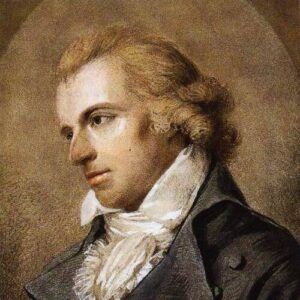
56. Friedrich Schiller
1759-1805 (aged 46)
philosopher
historian
aesthetician
librettist
military physician
Johann Christoph Friedrich von Schiller was a German playwright, poet, philosopher and historian. Schiller is considered to be one of Germany's most important classical playwrights.
+ show more
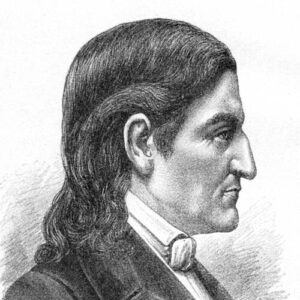
57. Friedrich Fröbel
1782-1852 (aged 70)
association football player
teacher
writer
non-fiction writer
pedagogue
Friedrich Wilhelm August Fröbel or Froebel was a German pedagogue, a student of Johann Heinrich Pestalozzi, who laid the foundation for modern education based on the recognition that children have unique needs and capabilities. He created the concept of the kindergarten and coined the word, which soon entered the English language as well. He also developed the educational toys known...
+ show more
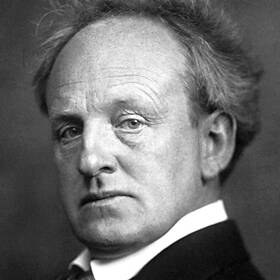
58. Gerhart Hauptmann
1862-1946 (aged 84)
playwright
autobiographer
novelist
lyricist
poet
Gerhart Johann Robert Hauptmann was a German dramatist and novelist. He is counted among the most important promoters of literary naturalism, though he integrated other styles into his work as well. He received the Nobel Prize in Literature in 1912.
+ show more
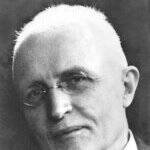
59. Walter Eucken
1891-1950 (aged 59)
resistance fighter
economist
Walter Eucken was a German economist of the Freiburg school and father of ordoliberalism. Ordoliberalism was based on the concept of social market economy balancing free markets with regulatory oversight. The Walter Eucken Institut was founded four years after his death and his ideas influenced West Germany’s economic policy.
+ show more
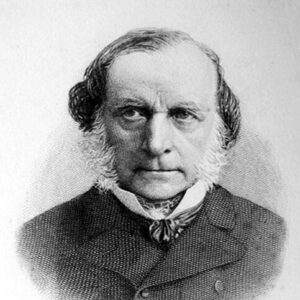
60. Lorenz von Stein
1815-1890 (aged 75)
economist
lawyer
sociologist
university teacher
Lorenz von Stein was a German economist, sociologist, and public administration scholar from Eckernförde. As an advisor to Meiji period Japan, his liberal political views influenced the wording of the Constitution of the Empire of Japan as well as major constitutional thinkers such as Rudolf von Gneist.
+ show more
61. Arnold Ruge
1802-1880 (aged 78)
autobiographer
writer
translator
philosopher
politician
Arnold Ruge was a German philosopher and political writer. He was the older brother of Ludwig Ruge.
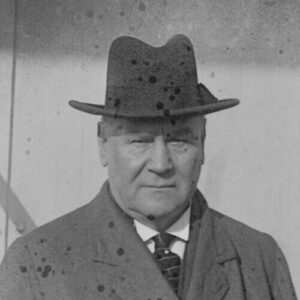
62. Wilhelm Heinrich Solf
1862-1936 (aged 74)
orientalist
politician
diplomat
jurist
physician
Wilhelm Heinrich Solf was a German scholar, diplomat, jurist and statesman.
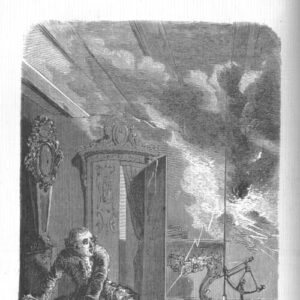
63. Georg Wilhelm Richmann
1711-1753 (aged 42)
physicist
inventor
Georg Wilhelm Richmann was a Russian physicist of Baltic German origin who did pioneering work on electricity, atmospheric electricity, and calorimetry. He died by electrocution in St. Petersburg when struck by apparent ball lightning produced by an experiment attempting to ground the electrical discharge from a storm.
+ show more

64. Johann Joachim Winckelmann
1717-1768 (aged 51)
in-home tutor
writer
art historian
librarian
historian
Johann Joachim Winckelmann was a German art historian and archaeologist. He was a pioneering Hellenist who first articulated the differences between Greek, Greco-Roman and Roman art. "The prophet and founding hero of modern archaeology", Winckelmann was one of the founders of scientific archaeology and first applied the categories of style on a large, systematic basis to the history of art....
+ show more
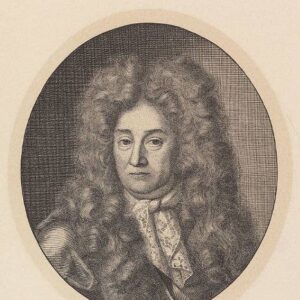
65. Samuel von Pufendorf
1632-1694 (aged 62)
economist
jurist
writer
university teacher
philosopher
Samuel von Pufendorf was a German jurist, political philosopher, economist and historian. He was born Samuel Pufendorf and ennobled in 1694; he was made a baron by Charles XI of Sweden a few months before his death at age 62. Among his achievements are his commentaries and revisions of the natural law theories of Thomas Hobbes and Hugo Grotius.
+ show more
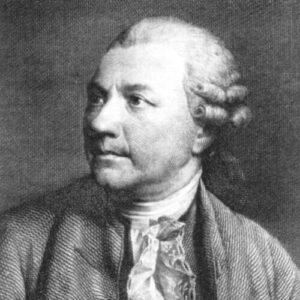
66. Friedrich Gottlieb Klopstock
1724-1803 (aged 79)
writer
playwright
linguist
poet
in-home tutor
Friedrich Gottlieb Klopstock was a German poet. His best known works are the epic poem Der Messias ("The Messiah") and the poem Die Auferstehung ("The Resurrection"), with the latter set to music in the finale of Gustav Mahler's Symphony No. 2. One of his major contributions to German literature was to open it up to exploration outside of French models.
+ show more
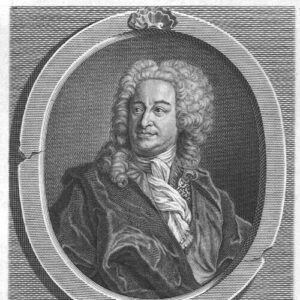
67. Christian Wolff
1934-. (aged 92)
composer
classical scholar
teacher
university teacher
pianist
Christian Wolff was a German philosopher. Wolff is characterized as one of the most eminent German philosophers between Leibniz and Kant. His life work spanned almost every scholarly subject of his time, displayed and unfolded according to his demonstrative-deductive, mathematical method, which some deem the peak of Enlightenment rationality in Germany.
+ show more
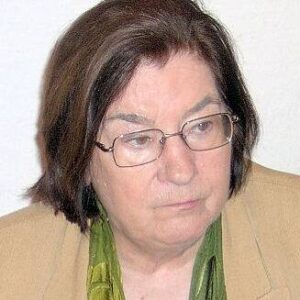
68. Christa Wolf
1929-2011 (aged 82)
writer
critic
science fiction writer
author
screenwriter
Christa Wolf was a German novelist and essayist. She is considered one of the most important writers to emerge from the former East Germany.
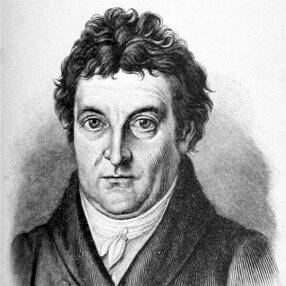
69. Johann Gottlieb Fichte
1762-1814 (aged 52)
university teacher
philosopher
writer
Johann Gottlieb Fichte was a German philosopher who became a founding figure of German idealism, which developed from the theoretical and ethical writings of Immanuel Kant.
+ show more
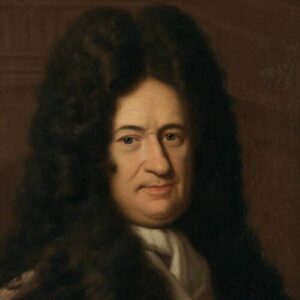
70. Gottfried Wilhelm Leibniz
1646-1716 (aged 70)
mathematician
diplomatician
engineer
music theorist
philosopher of law
Gottfried Wilhelm Leibniz was a German polymath active as a mathematician, philosopher, scientist, and diplomat who is credited, alongside Isaac Newton, with the creation of calculus in addition to many other branches of mathematics, such as binary arithmetic and statistics. Leibniz has been called the "last universal genius" due to his vast expertise across fields, which became a rarity after...
+ show more

71. Novalis
1772-1801 (aged 29)
poet
writer
literary theorist
philosopher
lyricist
Georg Philipp Friedrich Freiherr von Hardenberg, pen name Novalis, was a German aristocrat and polymath, who was a poet, novelist, philosopher and mystic. He is regarded as an influential figure of Jena Romanticism.
+ show more

72. Paul Friedrich I, Grand Duke of Mecklenburg-Schwerin
1800-1842 (aged 42)
sovereign
Paul Friedrich ruled as Grand Duke of Mecklenburg-Schwerin from 1837 to 1842.

73. Hans Gerhard Creutzfeldt
1885-1964 (aged 79)
psychiatrist
university teacher
pathologist
neuroscientist
judge
Hans Gerhard Creutzfeldt was a German neurologist and neuropathologist. Although he is typically credited as the physician to first describe the Creutzfeldt–Jakob disease, this has been disputed. He was born in Harburg an der Elbe and died in Munich.
+ show more
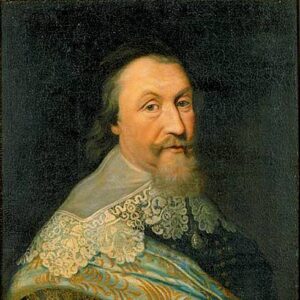
74. Axel Oxenstierna
1583-1654 (aged 71)
land owner
military personnel
diplomat
politician
Axel Gustafsson Oxenstierna was a Swedish statesman and Count of Södermöre. He became a member of the Swedish Privy Council in 1609 and served as Lord High Chancellor of Sweden from 1612 until his death. He was a confidant of King Gustavus Adolphus and then Queen Christina, for whom he was at first regent.
+ show more

75. Friedrich Hund
1896-1997 (aged 101)
university teacher
physicist
non-fiction writer
nuclear physicist
chemist
Friedrich Hermann Hund was a German physicist from Karlsruhe known for his work on atoms and molecules. He is known for the Hund's rules to predict the electron configuration of chemical elements. His work on Hund's cases and molecular orbital theory furthered the understanding of molecular structure.
+ show more
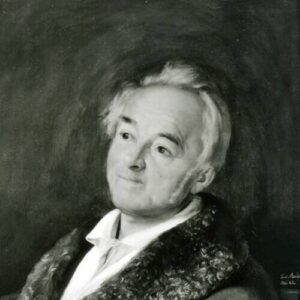
76. Ernst Moritz Arndt
1769-1860 (aged 91)
politician
university teacher
writer
historian
poet
Ernst Moritz Arndt was a German nationalist historian, writer and poet. Early in his life, he fought for the abolition of serfdom, later against Napoleonic dominance over Germany. Arndt had to flee to Sweden for some time due to his anti-French positions. He is one of the main founders of German nationalism during the Napoleonic wars and the 19th century...
+ show more
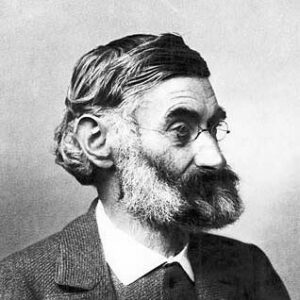
77. Ernst Abbe
1840-1905 (aged 65)
astronomer
university teacher
physicist
statistician
lens designer
Ernst Karl Abbe HonFRMS, was a German businessman, optical engineer, physicist, and social reformer. Together with Otto Schott and Carl Zeiss, he developed numerous optical instruments. He was also a co-owner of Carl Zeiss AG, a German manufacturer of scientific microscopes, astronomical telescopes, planetariums, and other advanced optical systems.
+ show more
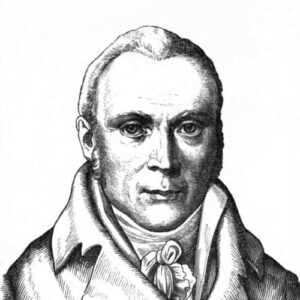
78. Johann Friedrich Blumenbach
1752-1840 (aged 88)
curator
physiologist
biologist
university teacher
anthropologist
Johann Friedrich Blumenbach was a German physician, naturalist, physiologist, and anthropologist. He is considered to be a main founder of zoology and anthropology as comparative, scientific disciplines. He has been called the "founder of racial classifications".
+ show more
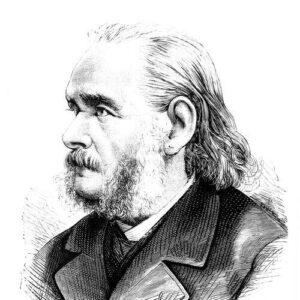
79. Matthias Jacob Schleiden
1804-1881 (aged 77)
botanist
botanical collector
biologist
university teacher
philosopher
Matthias Jakob Schleiden was a German botanist and co-founder of cell theory, along with Theodor Schwann and Rudolf Virchow. He published some poems and non-scientific work under the pseudonym Ernst.
+ show more
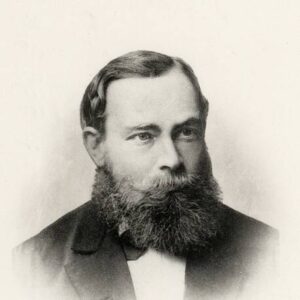
80. Gottlob Frege
1848-1925 (aged 77)
university teacher
analytic philosopher
logician
mathematician
philosopher of language
Friedrich Ludwig Gottlob Frege was a German philosopher, logician, and mathematician. He was a mathematics professor at the University of Jena, and is understood by many to be the father of analytic philosophy, concentrating on the philosophy of language, logic, and mathematics. Though he was largely ignored during his lifetime, Giuseppe Peano (1858–1932), Bertrand Russell (1872–1970), and, to some extent,...
+ show more

81. Alexander von Humboldt
1769-1859 (aged 90)
oceanographer
volcanologist
naturalist
economist
world traveler
Friedrich Wilhelm Heinrich Alexander von Humboldt was a German polymath, geographer, naturalist, explorer, and proponent of Romantic philosophy and science. He was the younger brother of the Prussian minister, philosopher, and linguist Wilhelm von Humboldt (1767–1835). Humboldt's quantitative work on botanical geography laid the foundation for the field of biogeography, while his advocacy of long-term systematic geophysical measurement pioneered modern...
+ show more
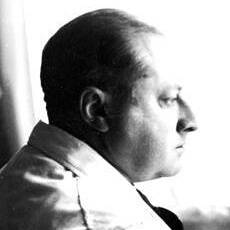
82. Gottfried Benn
1886-1956 (aged 70)
author
poet
novelist
essayist
physician writer
Gottfried Benn was a German poet, essayist, and physician. He was nominated for the Nobel Prize in Literature five times. He was awarded the Georg Büchner Prize in 1951.
+ show more
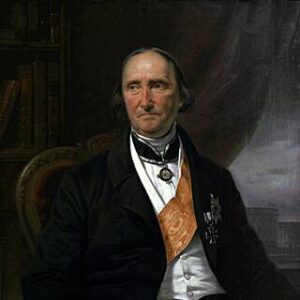
83. Friedrich Carl von Savigny
1779-1861 (aged 82)
jurist
writer
legal historian
university teacher
philosopher
Friedrich Carl von Savigny was a German jurist and historian.
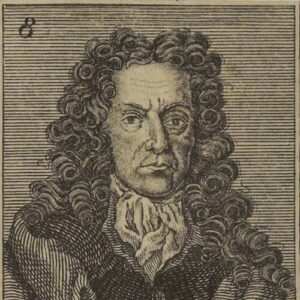
84. Christoph Cellarius
1638-1707 (aged 69)
pedagogue
classical scholar
orientalist
university teacher
philologist
Christoph Cellarius (22 November 1638 – 4 June 1707) was a German classical scholar from Schmalkalden who held positions in Weimar and Halle. Although the Ancient-Medieval-Modern division of history was used earlier by Italian Renaissance scholars Leonardo Bruni and Flavio Biondo, Cellarius' Universal History Divided into an Ancient, Medieval, and New Period (1685) helped popularize it. After him, this tripartite...
+ show more
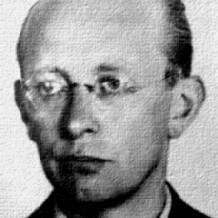
85. Arvid Harnack
1901-1942 (aged 41)
economist
jurist
resistance fighter
Arvid Harnack was a German jurist, Marxist economist, Communist, and German resistance fighter in Nazi Germany. Harnack came from an intellectual family and was originally a humanist. He was strongly influenced by Johann Wolfgang von Goethe but progressively moved to a Marxist-Socialist outlook after a visit to the Soviet Union and the Nazis' appearance. After starting an undercover discussion group...
+ show more
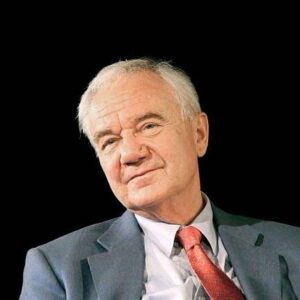
86. Manfred Stolpe
1936-2019 (aged 83)
politician
Manfred Stolpe was a German canonist, theologian and politician who served as Federal Minister of Transport, Building and Urban Affairs of Germany from 2002 until 2005. Before, he was Ministerpräsident of the state Brandenburg from 1990 until 2002. Stolpe was, after the state elections following German reunification, the only Social Democratic Minister-President of a state of former East Germany. Stolpe...
+ show more
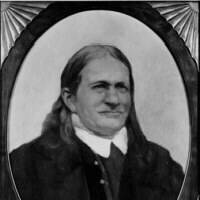
87. Friedlieb Ferdinand Runge
1794-1867 (aged 73)
university teacher
chemist
Friedlieb Ferdinand Runge was a German analytical chemist. Runge identified the mydriatic (pupil dilating) effects of belladonna (deadly nightshade) extract, identified caffeine, and discovered the first coal tar dye (aniline blue).
+ show more
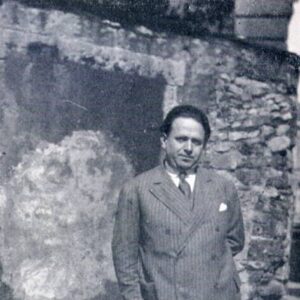
88. Kurt Tucholsky
1890-1935 (aged 45)
journalist
poet lawyer
opinion journalist
playwright
critic
Kurt Tucholsky was a German journalist, satirist, and writer. He also wrote under the pseudonyms Kaspar Hauser (after the historical figure), Peter Panter, Theobald Tiger and Ignaz Wrobel.
+ show more
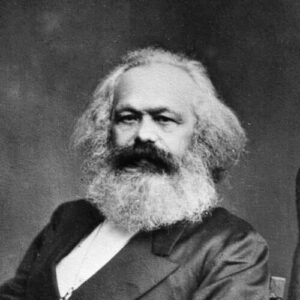
89. Karl Marx
1818-1883 (aged 65)
sociologist
historian
writer
economist
philosopher
Karl Marx was a German philosopher, social and political theorist, economist, journalist, and revolutionary socialist. He is best-known for the 1848 pamphlet The Communist Manifesto (written with Friedrich Engels), and his three-volume Das Kapital (1867–1894), a critique of classical political economy which employs his theory of historical materialism in an analysis of capitalism, in the culmination of his life's work....
+ show more
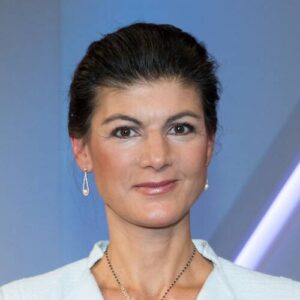
90. Sahra Wagenknecht
1969-. (aged 57)
economist
non-fiction writer
opinion journalist
editor
politician
Sahra Wagenknecht is a German politician. She was a member of the Bundestag from 2009 to 2025, where she represented The Left until 2023. From 2015 to 2019, she served as that party's parliamentary co-chair. With a small team of allies, Wagenknecht left the party on 23 October 2023 to found her own Eurosceptic, populist party, Bündnis Sahra Wagenknecht, which...
+ show more
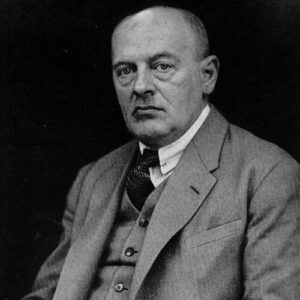
91. Max Scheler
1874-1928 (aged 54)
university teacher
philosopher
axiologist
anthropologist
sociologist
Max Ferdinand Scheler was a German philosopher known for his work in phenomenology, ethics, and philosophical anthropology. Considered in his lifetime one of the most prominent German philosophers, Scheler developed the philosophical method of Edmund Husserl, the founder of phenomenology.
+ show more
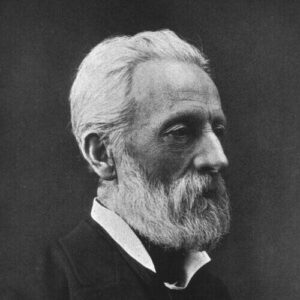
92. Adolf Bastian
1826-1905 (aged 79)
explorer
university teacher
writer
anthropologist
psychologist
Adolf Philipp Wilhelm Bastian was a 19th-century polymath remembered best for his contributions to the development of ethnography and the development of anthropology as a discipline. His theory of the Elementargedanke resulted in Carl Jung's development of the theory of archetypes. His ideas influenced the "father of American anthropology" Franz Boas and comparative mythologist Joseph Campbell.
+ show more
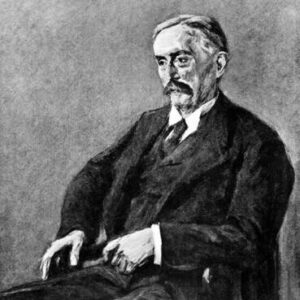
93. Otto Schott
1851-1935 (aged 84)
chemist
glassmaker
inventor
Friedrich Otto Schott was a German chemist, glass technologist, and the inventor of borosilicate glass. Schott systematically investigated the relationship between the chemical composition of the glass and its properties. In this way, he solved fundamental problems in glass properties, identifying compositions with optical properties that approach the theoretical limit. Schott's findings were a major advance in the optics for...
+ show more
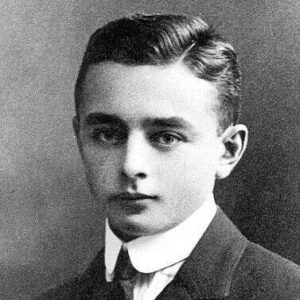
94. Georg Heym
1887-1912 (aged 25)
poet lawyer
novelist
writer
playwright
poet
Georg Theodor Franz Artur Heym was a German writer. He is particularly known for his poetry, representative of early Expressionism.
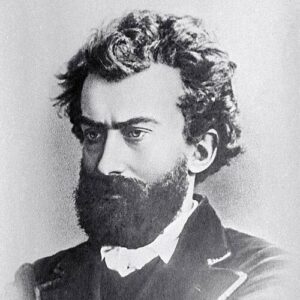
95. Nicholas Miklouho-Maclay
1846-1888 (aged 42)
traveler
zoologist
marine biologist
biologist
anthropologist
Nicholas or Nicholai Nikolaevich Miklouho-Maclay was a Russian explorer and scientist. He worked as an ethnologist, anthropologist and biologist. He became famous as one of the earliest scientists to settle among and study indigenous people of New Guinea "who had never seen a European".
+ show more
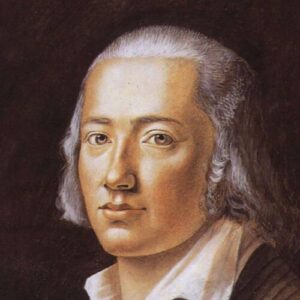
96. Friedrich Hölderlin
1770-1843 (aged 73)
philosopher
librettist
Hofmeister
writer
translator
Johann Christian Friedrich Hölderlin was a German poet and philosopher. Described by Norbert von Hellingrath as "the most German of Germans", Hölderlin was a key figure of German Romanticism. Particularly due to his early association with and philosophical influence on Georg Wilhelm Friedrich Hegel and Friedrich Wilhelm Joseph Schelling, he was also an important thinker in the development of German...
+ show more
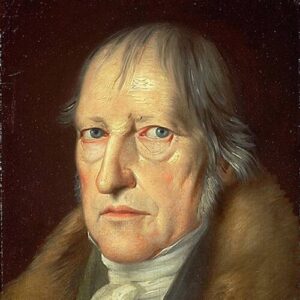
97. Georg Wilhelm Friedrich Hegel
1770-1831 (aged 61)
philosopher of law
writer
philosophy historian
university teacher
logician
Georg Wilhelm Friedrich Hegel was a German philosopher and a major figure in the tradition of German idealism. His influence on Western philosophy extends across a wide range of topics—from metaphysical issues in epistemology and ontology, to political philosophy, to the philosophy of art and religion.
+ show more
98. Hans Adolf Eduard Driesch
1867-1941 (aged 74)
biologist
philosopher
university teacher
zoologist
Hans Adolf Eduard Driesch was a German biologist and philosopher from Bad Kreuznach. He is most noted for his early experimental work in embryology and for his neo-vitalist philosophy of entelechy. He has also been credited with performing the first artificial 'cloning' of an animal in the 1880s, although this claim is dependent on how one defines cloning.
+ show more
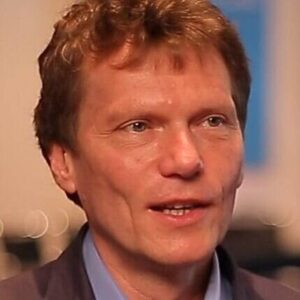
99. Hartmut Rosa
1965-. (aged 61)
philosopher
editor
sociologist
university teacher
Hartmut Rosa is a German sociologist and political scientist who is best known for his theory of resonance and temporal sociology of social acceleration.
+ show more
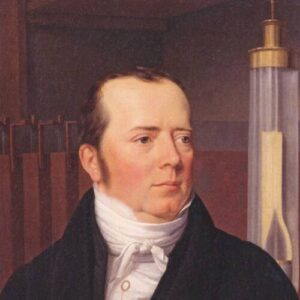
100. Hans Christian Ørsted
1777-1851 (aged 74)
chemist
university teacher
pharmacist
engineer
inventor
Hans Christian Ørsted, sometimes transliterated as Oersted, was a Danish chemist and physicist who discovered that electric currents create magnetic fields. This phenomenon is known as Oersted's law. He also discovered aluminium, a chemical element.
+ show more